
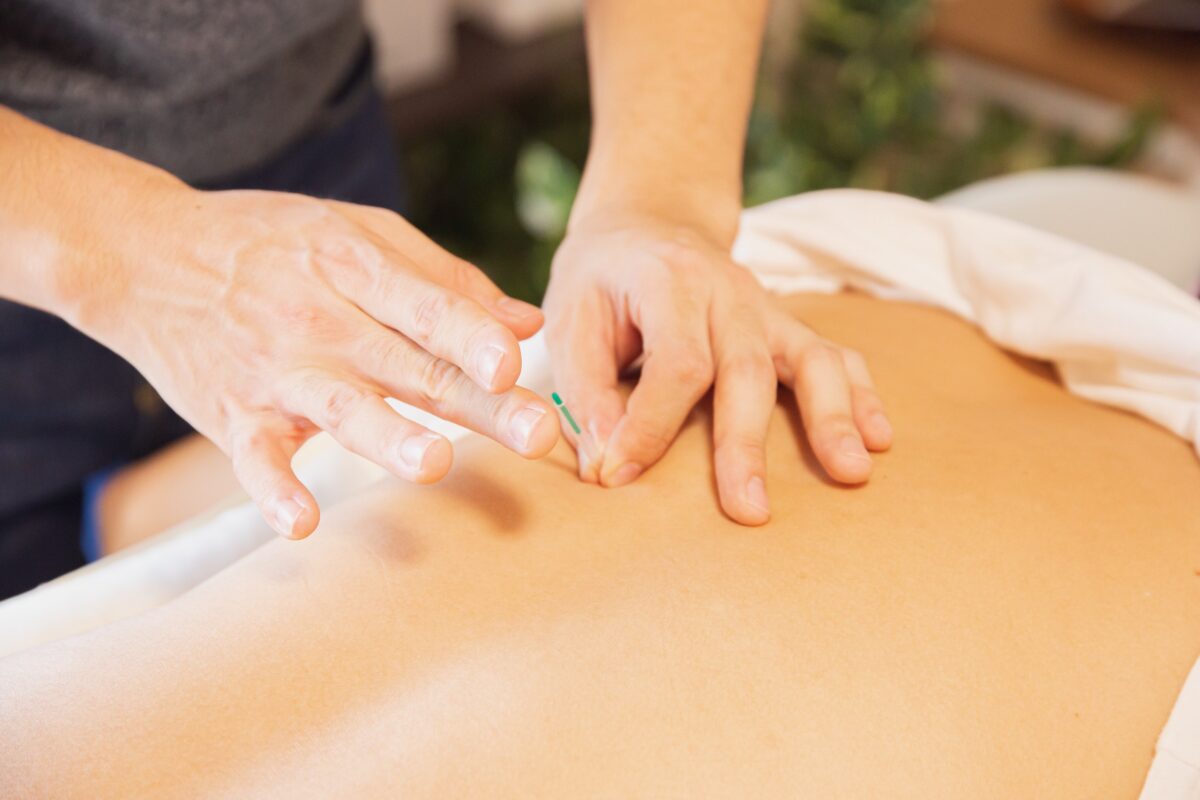
Dry Needling
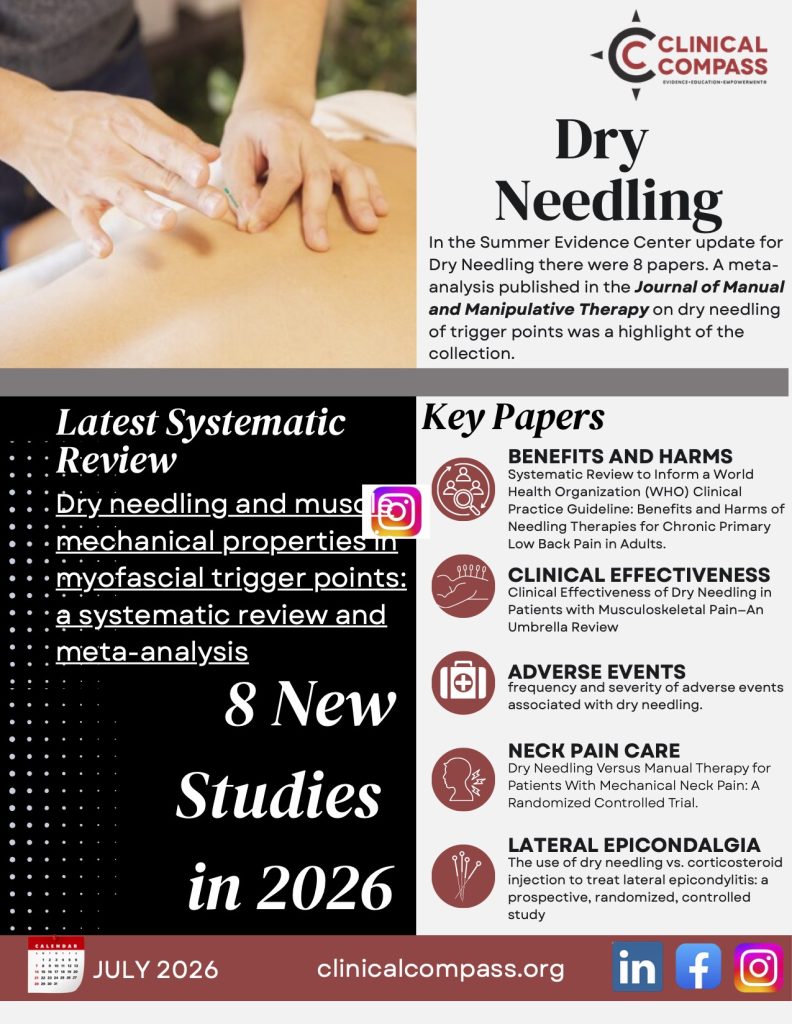
In the Summer Evidence Center update for Dry Needling there were 8 papers. A meta-analysis published in the Journal of Manual and Manipulative Therapy on dry needling of trigger points was a highlight of the collection.
Key Papers
Download PDF version
8 New Studies in 2026
Dry Needling (DN)—January-June 2026 Update
Effect of rotator cuff (RC) DN on shoulder pain
A 2026 RCT assessed the effect of deep DN of rotator cuff trigger points in 44 patients with chronic RC–related shoulder pain. Patients received either DN or sham DN over 3 sessions. Results: The DN group showed statistically and clinically significant improvements in pain reduction, shoulder stability, grip strength, disability scores, and RC strength compared with the sham group, with benefits maintained at one-week follow-up. ABSTRACT
Effect of DN of myofascial trigger points for knee disorders
A 2026 meta-analysis assessed DN for painful conditions of the knee. 20 RCTs (n=1,234) were included. Results: DN of myofascial trigger points produced significant short-term reductions in knee pain and improvements in physical function compared with sham treatment, no intervention, or other therapies. These findings support integrating dry needling into multimodal rehabilitation programs alongside strengthening, movement retraining, and exercise therapy rather than using it as a stand-alone intervention. FREE FULL TEXT
Effect of DN and exercise for musculoskeletal (MSK) pain
A 2026 systematic review assessed DN, exercise therapy and both combined for MSK pain. 22 RCTs (n=1,585) were included. Results: Iin nearly 74% of the included studies, DN did not provide additional benefit over exercise alone for pain reduction. Several studies demonstrated improved outcomes when DN was combined with exercise for conditions such as knee osteoarthritis, trapezius myofascial pain and chronic low back pain. The most common DN technique involved rapid in-and-out needle manipulation (25 sec-15 min) delivered 2x weekly for at least 5 weeks. The authors concluded that exercise remains the cornerstone of MSK rehabilitation, but DN may serve as a useful adjunct. ABSTRACT
Adverse events associated with DN
A 2026 systematic review and meta-analysis reported the frequency and severity of AEs related to DN. 59 articles were included, with 25 patients in case reports and case series, 1947 patients in RCTs and prospective observational studies and 2380 professionals in surveys. Results: DN was found to commonly produce minor AEs, ranging from 0%-48% per treatment and from 3%-73% throughout a clinician's career. Major AEs per treatment are uncommon (0%-0.4%) but are reported by 0.98%-39% of professionals when assessing their complete clinical practice. The authors concluded that although DN is widely used and generally associated with minor AEs, it has the potential for rare serious complications. ABSTRACT
Effect of DN on muscle performance
A 2026 systematic review assessed the effect of DN on muscle performance in patients with MSK dysfunction. 11 RCTs were included. Results: 9 of the 11 studies reported improvements in local muscle performance. Local twitch response (LTR) elicitation in the targeted muscle was reported in 8 of the 9 studies, demonstrating improvement. The authors concluded that DN intended to improve muscle performance may be effective when delivered as a localized, muscle‑specific intervention targeting trigger points with the goal of eliciting an LTR. ABSTRACT
Effect of physical therapy (PT) on rotator cuff tendinopathy (RC)
A 2026 systematic review and network meta-analysis compared the effect of various PT interventions for RC. 89 RCTs (n=5,532) were included. Results: Exercises targeting the shoulder muscles may reduce pain and improve function compared with no treatment. Exercises targeting shoulder and scapular muscles in addition to percutaneous electrolysis and trigger point dry needling seem to be the most effective interventions on pain and function at the end of treatment. The authors concluded that most of the interventions identified may not be superior to isolated shoulder exercises alone, which might be considered a reasonable first-line approach, but the evidence is very uncertain. ABSTRACT
Effect of DN on myofascial trigger points (MTrPs)
A 2026 systematic review and meta-analysis assessed the effects of DN on myofascial mechanical properties in patients with active or latent MTrPs. 11 RCTs (n= 612) were included. Objective diagnostic tools such as shear-wave elastography and myotonometry to quantify tissue changes were used. Results: DN yields a statistically significant reduction in tissue stiffness in the short term, with subgroup analyses revealing more pronounced benefits in latent trigger points and in healthy participants. DN demonstrated no immediate or mid-term changes in muscle tone or elasticity. Because the therapeutic window of reduced stiffness is short-term, the post-needling period may provide an opportunity to introduce progressive manual therapies, joint mobilization, or neuromuscular re-education exercises that might otherwise be limited by protective muscle guarding or hypertonicity. ABSTRACT
Effect of DN frequency on acute cervical myofascial pain (MFP)
A 2025 multicenter, double-blind RCT assessed the effect of varied frequency protocols of DN on 96 participants with cervical MFP. Patients received either one DN treatment/wk (DN1x), 3 DN treatments/wk (DN3x) or sham. Results: Pain intensity decreased in both DN1x and DN3x compared with sham (no change), but without between-dose differences. Disability improved significantly over time in all groups with no group differences. At 6 weeks, DN3x produced greater reductions in muscle stiffness and tone than sham. Pain pressure threshold (PPT) showed a significant group × time effect was found. DN3x increased trapezius PPT significantly more than sham. Cervical extension favored DN3x over sham at week 6. No serious adverse events occurred; 133 mild events such as soreness, bruising) were reported, all in DN groups and more frequent with DN3x. ABSTRACT
Dry Needling—2025 Update
Effect of dry needling (DN) vs physical modalities for myofascial pain syndrome (MPS)
A 2025 systematic review and meta-analysis compared DN with various physical modalities (including stretching, manual therapy and exercise) for MPS, particularly in patients with trigger point-related neck pain. 8 RCTs were included. Results found that both approaches showed similar effectiveness with no statistically or clinically significant differences between DN and physical modalities for all outcomes. No treatment-related adverse events were reported. FREE FULL TEXT
Effect of dry needling for patellofemoral pain syndrome (PFPS)
A 2025 systematic review and meta-analysis investigated the effect of DN for PFPS. 10 articles including 466 patients were included in the analysis. Results indicated that the best outcomes were seen at mid-term follow up with 3-point DN in quadriceps and gluteus medius muscles. Effects of DN were most prounounced with 1-3 months of treatment. ABSTRACT
Effect of combining DN and isometric and eccentric exercises for patellar tendinopathy
A 2025 systematic review investigated the effect of combining DN with isometric and eccentric exercises for patellar tendinopathy. 9 articles were included. Results indicated that all 3 interventions produced beneficial. Isometric exercises showed greater short-term pain relief. Dry needling and eccentric training showed longer-term improvements in pain and knee function. Combined therapeutic approaches (e.g., exercise with platelet-rich plasma or progressive tendon-loading) were often more effective than single modalities. FREE FULL TEXT
Effect of DN for temporomandibular joint disorders (TMD)
A 2025 systematic review evaluated the effect of DN for TMDs. 10 studies were included. Results indicated that DN, either alone or with adjunct therapies, showed improvements in clinical outcomes, particularly pain and function, for TMD. No serious adverse effects were reported. The authors concluded that DN is effective as a primary or adjunctive therapy with other modalities such as manual therapy, spinal manipulation or low level laser therapy. FREE FULL TEXT
Deep vs superficial DN for neck pain
A 2025 systematic review compared deep vs superficial dry needling for adults with neck pain associated with upper-trapezius myofascial trigger points (MTrPs). 8 RCTs were included. Both deep and superficial dry needling were found to produce short-term reductions in pain intensity and functional disability, with no consistent, clinically meaningful differences between the 2 techniques. There was limited evidence on medium- to long-term outcomes FREE FULL TEXT
Effect of DN on muscle blood flow and shoulder pain
A 2025 RCT investigated the effect of DN on muscle blood flow, shoulder range of motion (ROM), and pressure pain sensitivity for 40 patients with nonspecific shoulder pain with myofascial trigger points (MTrPs) in the infraspinatus muscle. Patients received either DN or a sham procedure. Results showed that, using color Doppler imaging, DN significantly reduced peak systolic velocity (PSV), suggesting improved local blood flow, and increased shoulder internal and external rotation ROM compared with sham needling. However, there were no significant differences between groups in other blood flow parameters (end diastolic velocity, resistive index, pulsatile index) or pressure pain thresholds, indicating that DN improved some physiological and functional measures but did not alter sensitivity to pressure pain in this single session. The authors concluded that preliminary evidence suggests that DN may enhance muscle perfusion and shoulder mobility in individuals with shoulder pain associated with MTrPs. ABSTRACT
Effect of DN vs exercise for tendinopathies
A 2025 systematic review and meta-analysis evaluated the effects of DN plus exercise therapy vs exercise alone for various tendinopathies. 7 RCTs involving 255 patients (with lateral epicondylitis, patellar tendinopathy, and rotator cuff tendinopathy) were included. Results showed that DN combined with= ≈ –2.14 on pain scales), although there was substantial heterogeneity across studies. Short-term pain relief was modest, but mid- and long-term follow-ups suggested larger benefits. Functional outcomes (e.g., Patient-Rated Tennis Elbow Evaluation scores) were also generally better with the combined intervention. FREE FULL TEXT
Effect of trigger point dry needling (TPDN) vs instrument assisted soft tissue manipulation (IASTM) for patellofemoral syndrome (PFPS)
A 2025 single-blinded RCT evaluated the augmented effects of TPDN and IASTM) on pain and function in patellofemoral pain syndrome (PFPS) with 102 participants (15–25 years) with PFPS. Patients were randomly assigned to 4groups: TPDN, IASTM, combined TPDN and IASTM, and a control group. Patients received 2 treatment sessions/ week for 4 weeks, in addition to a standardized exercise program for all groups. Results indicated that combined TPDN+IASTM demonstrated superior improvements in all outcomes, although all groups demonstrated improvement. The authors concluded that both TPDN and IASTM are effective in reducing pain and improving function in PFPS. However, their synergistic application offers enhanced clinical benefits over either intervention alone or exercise therapy. ABSTRACT
Effect of DN vs instrument-assisted soft tissue manipulation (IASTM) with standard physical therapy for cervicogenic headaches (CGH)
A 2025 RCT of 60 patients with CGH investigated the effects of 1) DN plus conventional therapy, IASTM plus conventional therapy, or conventional therapy alone. Results indicated that adding either DN or IASTM to conventional physical therapy over 4weeks led to significant improvements in pain intensity, neck-related disability, pressure pain threshold, cervical range of motion, and headache frequency, duration, and medication use compared with conventional therapy alone. Although both adjunctive interventions were beneficial, IASTM produced the greatest overall improvements across outcomes. ABSTRACT
Effect of dry needling (DN) on muscular recruitment pattern in patellofemoral pain syndrome
A 2025 RCT of 24 patients with patellofemoral pain syndrome assessed the intricate muscular coordination of proximal muscles of the knee joint for coordinated movement. The intervention group received DN of the popliteus and the control group did not. Both groups received standard physical therapy. The practitioner inserted Electromyogram (EMG) needles into trigger points in the popliteus muscle. EMG readings were the primary outcome measured during a step-up, step-down procedure. Visual analog scale for pain intensity was a secondary outcome. Disability outcomes were measured via Kujala score. Results indicated that dry needling myofascial trigger points in the popliteus modified motor control of the knee joint during the step-up exercise and the group showed significantly improved pain and disability post intervention as compared to the control group. FREE FULL TEXT
Effect of dry needling (DN) and exercise on rotator cuff tendinopathy
A 2025 single blind RCT of 28 patients with chronic rotator cuff tendinopathy evaluated the efficacy of DN with eccentric exercises. The experimental group received DN and eccentric exercise while the control group received eccentric exercise only. Outcomes were pain and function. Patients were evaluated throughout 8 treatment sessions and post-intervention. Results indicated that although there was improvement in both groups, the addition of DN may be more effective as an adjunct for the treatment of chronic rotator cuff tendinopathy. ABSTRACT
Effect of dry needling (DN) compared to extracorporeal shock wave therapy (ESWT) for heel spur.
A 2025 RCT of 90 heel spur patients compared the effects of DN and ESWT. Outcomes included proprioception, balance, pain and function. Patients received 1 treatment/week for 4 weeks of either DN or ESWT. Results indicated improvement in pain and foot function effect with both treatments, with DN statistically more effective than ESWT. This was especially noted for balance, proprioception, foot function, and quality of life. ABSTRACT
Dry Needling—January-June 2025 Update
Effect of dry needling (DN) on muscular recruitment pattern in patellofemoral pain syndrome
A 2025 RCT of 24 patients with patellofemoral pain syndrome assessed the intricate muscular coordination of proximal muscles of the knee joint for coordinated movement. The intervention group received DN of the popliteus and the control group did not. Both groups received standard physical therapy. The practitioner inserted Electromyogram (EMG) needles into trigger points in the popliteus muscle. EMG readings were the primary outcome measured during a step-up, step-down procedure. Visual analog scale for pain intensity was a secondary outcome. Disability outcomes were measured via Kujala score. Results indicated that dry needling myofascial trigger points in the popliteus modified motor control of the knee joint during the step-up exercise and the group showed significantly improved pain and disability post intervention as compared to the control group. FREE FULL TEXT
Effect of dry needling (DN) and exercise on rotator cuff tendinopathy
A 2025 single blind RCT of 28 patients with chronic rotator cuff tendinopathy evaluated the efficacy of DN with eccentric exercises. The experimental group received DN and eccentric exercise while the control group received eccentric exercise only. Outcomes were pain and function. Patients were evaluated throughout 8 treatment sessions and post-intervention. Results indicated that although there was improvement in both groups, the addition of DN may be more effective as an adjunct for the treatment of chronic rotator cuff tendinopathy. ABSTRACT
Effect of dry needling (DN) compared to extracorporeal shock wave therapy (ESWT) for heel spur.
A 2025 RCT of 90 heel spur patients compared the effects of DN and ESWT. Outcomes included proprioception, balance, pain and function. Patients received 1 treatment/week for 4 weeks of either DN or ESWT. Results indicated improvement in pain and foot function effect with both treatments, with DN statistically more effective than ESWT. This was especially noted for balance, proprioception, foot function, and quality of life. ABSTRACT
Dry Needling—July-December 2024 Update
Headache
Effect of physical therapy interventions on cervicogenic headache
A 2024 systematic review and network meta-analysis assessed the efficacy of physical therapist interventions on cervicogenic headache. 28 studies were included in the analysis. Manipulation plus dry needling (DN) was the highest-ranked intervention to reduce the short-term headache intensity and frequency when compared to a control intervention. Other high-ranked and clinically effective interventions that can be considered in clinical practice are muscle-energy technique plus exercise and soft tissue techniques plus exercise to reduce short-term headache intensity, and DN plus exercise to reduce short-term headache frequency. Combined interventions such as spinal joint manipulation plus DN and muscle-energy technique soft tissue techniques or DN plus exercises seem to be the best interventions to reduce short-term cervicogenic headache intensity and/or frequency. These results are based on a low certainty of evidence and due to the low certainty of evidence, no conclusive recommendations are made. FREE FULL TEXT
Shoulder
Effect of dry needling in overhead athletes with myofascial shoulder pain
A 2024 systematic review investigated the role of dry needling in the management of myofascial shoulder pain in overhead athletes. Included studies considered overhead athletes with shoulder pain treated with dry needling for myofascial trigger points. 6 studies were included in the analysis. Dry needling improves pain rapidly and in the short term; however, there is still no consensus on the minimum number and the interval between treatments. Major findings reported a rapid potential decrease in perceived pain, shoulder disability, and an increase in muscle strength. Dry needling for myofascial shoulder pain in overhead athletes might be a valid solution in a sports rehabilitation setting. FREE FULL TEXT
Effect of dry needling and cold-spray-stretching for myofascial pain syndrome in upper trapezius
A 2024 RCT compared the efficacy of dry needling (DN) and cold-spray-stretching treatments using surface electromyography (sEMG) and ultrasound (US) in the treatment of patients with myofascial pain syndrome (MPS) with an active trigger point in the upper trapezius muscle. 60 MPS adult patients were randomized to receive 1 treatment per week for 3 weeks of either DN or cold spray stretching. Significant improvements in terms of pain level, functionality, sEMG, and US were achieved in both groups. Pain pressure and the neck disability index were statistically higher in the cold-spray-stretching group than in the DN group. DN is an efficacious treatment via sEMG and US histograms. ABSTRACT
Elbow
Effect of electrical dry needling added to thrust manipulation for lateral elbow tendinopathy
A 2024 RCT of 143 participants with lateral elbow tendinopathy investigated the effect of cervical spine manipulation, extremity manipulation, and percutaneous tendon electrical dry needling plus multimodal physical therapy (intervention group) vs multimodal physical therapy alone (control group). Significantly greater disability improvement was found in the intervention group. FREE FULL TEXT
Comparison of interventions for lateral elbow tendinopathy
A 2024 systematic review and network meta-analysis compared the effectiveness of different lateral elbow tendinopathy (LET) treatments directly and indirectly against control and placebo based on Patient-Rated Tennis Elbow Evaluation (PRTEE) pain score. Thirteen randomized controlled trials with 12 comparators were included. A network meta-analysis with random effect was used to combine direct and indirect evidence between treatments compared with placebo. In the short term (<= 6 weeks) there was no significant improvement in PRTEE pain score across all treatments compared with control and placebo. In the midterm (>6 weeks <6 months), exercise showed benefit against placebo. Dry needling exhibited potential treatment effects. Overall, caution is advised in interpreting the results due to the limited number of small studies. ABSTRACT
Effect of dry needling on lateral epicondylitis
A 2024 systematic review and meta-analysis evaluated the effect of dry needling on lateral epicondylitis. 17 RCTs were included that compared the effectiveness of dry needling to other treatment methods. Dry needling exhibited a significant advantage over other treatments in improving pain intensity among patients with lateral epicondylitis 1 week after treatment. For secondary outcomes, dry needling demonstrated better improvement in elbow disability within 1 week and in the follow-ups that exceeded 1 week, dry needling also demonstrated better improvement in elbow disability and grip strength. Eliciting muscle twitch response during trigger point dry needling was observed to have a more significant improvement in pain intensity within 1 week. ABSTRACT
Effect of ultrasound-guided platelet rich plasma injection vs dry needling for lateral epicondylitis
A 2024 single-blind RCT compared ultrasound-guided dry needling to ultrasound-guided platelet-rich plasma (PRP) for both common extensor tendon tears and tendinosis. 40 patients (at least 20 years of age, symptomatic for at least 3 months) diagnosed with lateral epicondylitis were randomly assigned to the dry needling or PRP group. There was significant improvement in the visual analogue scale pain score in PRP group compared to the dry needling group at 9 months. However, this difference was not evident at 3- and 6-month follow-ups. Mean improvement in common extensor tendon thickness in PRP group was slightly better than dry needling at 3 months and 6 months. There was no difference in tear healing between both groups at 3 months. However, at 6 months follow-up, PRP demonstrated significant healing compared to dry needling. ABSTRACT
Myofascial Pain Syndrome
Effect of dry needling vs ischemic compression for myofascial pain syndrome
As 2024 RCT compared dry needling (DN) to ischemic compression or a combination of DN and ischemic compression. The primary outcome measure was a numeric pain rating. All assessments were conducted at baseline, 1 month, and 3-months. There were significant improvements in numeric pain rating, pressure pain thresholds, cervical range of motion, and neck disability at one and three months in all groups compared to baseline. Ischemic compression and DN are effective treatments for myofascial pain syndrome separately in our study to be more effective when used together. ABSTRACT
Lower Extremity
Acute effects of dry needling on gastrocnemius muscle in mixed martial arts athletes
A 2024 single-blind RCT of mixed martial arts athletes evaluated the immediate effects of dry needling (DN) on biomechanical properties, muscle power, perfusion, and pressure pain threshold of the gastrocnemius muscle with latent trigger points. Participants received either one session of dry needling or sham needling. The measurements were taken at rest, 1-5 minutes after, and 24 hours after the experimental or sham intervention. Dry needling significantly increased muscle perfusion, reduced tone, reduced stiffness, and improved elasticity at 1-5 minutes and 24 hours after the intervention compared to the sham treatment. Dry needling also caused a significant increase in pressure pain threshold at 1-5 minutes and 24 hours posttreatment and muscle power at 24 hours post-treatment. The dry needling session increased blood perfusion and improved the biomechanical properties of the gastrocnemius muscle, which led to improved muscle power. This study suggests dry needling could facilitate muscle recovery in a post-exercise period of MMA athletes. FREE FULL TEXT
Effects of soft-tissue techniques and exercise for patellar tendinopathy
A 2024 systematic review and meta-analysis evaluated the effects of soft-tissue techniques combined with therapeutic exercise versus therapeutic exercise alone on pain intensity and function in individuals with patellar tendinopathy. 6 studies (n = 309; age range = 16–40 years) were included in the analysis. A combination of manual techniques, such as dry needling, percutaneous electrolysis, transverse friction massage, and stretching, along with a squat on a 25° inclined plane, appears to be effective for patellar tendinopathy. Static stretching of the quadriceps before and after the squat 5 times per week, along with dry needling or percutaneous electrolysis sessions twice a week for 8 weeks, is recommended. FREE FULL TEXT
Effect of dry needling vs extracorporeal shock wave therapy for myofascial pain syndrome in plantar fasciitis
A 2024 RCT compared the effects of dry needling (DN) and extracorporeal shock wave therapy (ESWT) in the treatment of 55 patients with plantar fasciitis (PF). The DN group applied 3 sessions of DN to the myofascial trigger points in the lower limb muscles. The ESWT group applied 3 sessions of ESWT to the plantar fascia. Both DN and ESWT groups had significant improvement in pain (VAS), Foot Function Index (FFI), Maximum pain-free standing time (Max PfST), and maximum pain-free walking distance (Max PfWD). VAS-activity baseline-week 4 change was significantly superior in the DN group compared to the ESWT group. FFI-disability baseline-week 4 change was significantly superior in the DN group compared to the ESWT group. There was no significant difference in other treatment-related changes between the groups. This study showed that DN may be an alternative treatment for patients with PF, with effects similar to or superior to ESWT. ABSTRACT
Dry Needling—January-June 2024 Update
Headache
Effect of physical therapy interventions on cervicogenic headache
A 2024 systematic review and network meta-analysis assessed the efficacy of physical therapist interventions on cervicogenic headache. 28 studies were included in the analysis. Manipulation plus dry needling (DN) was the highest-ranked intervention to reduce the short-term headache intensity and frequency when compared to a control intervention. Other high-ranked and clinically effective interventions that can be considered in clinical practice are muscle-energy technique plus exercise and soft tissue techniques plus exercise to reduce short-term headache intensity, and DN plus exercise to reduce short-term headache frequency. Combined interventions such as spinal joint manipulation plus DN and muscle-energy technique or soft tissue techniques, or DN plus exercises seem to be the best interventions to reduce short-term cervicogenic headache intensity and/or frequency. These results are based on a low certainty of evidence, and due to the low certainty of evidence, no conclusive recommendations have been made. FREE FULL TEXT
Shoulder
Effect of dry needling in overhead athletes with myofascial shoulder pain
This 2024 systematic review investigated the role of dry needling in the management of myofascial shoulder pain in overhead athletes. Included studies considered overhead athletes with shoulder pain treated with dry needling for myofascial trigger points. 6 studies were included in the analysis. Dry needling improves pain rapidly and in the short term; however, there is still no consensus on the minimum number and the interval between treatments. Major findings reported a rapid potential decrease in perceived pain, shoulder disability, and an increase in muscle strength. Dry needling for myofascial shoulder pain in overhead athletes might be a valid solution in a sports rehabilitation setting.
Effect of dry needling and cold-spray-stretching for myofascial pain syndrome in upper trapezius
This 2024 randomized controlled trial compared the efficacy of dry needling (DN) and cold-spray-stretching treatments using surface electromyography (sEMG) and ultrasound (US) in the treatment of patients with myofascial pain syndrome (MPS) with an active trigger point in the upper trapezius muscle. 60 MPS adult patients were randomized to receive one treatment per week for three weeks of either DN or cold spray stretching. Significant improvements in terms of pain level, functionality, sEMG, and US were achieved in both groups. Pain pressure and the neck disability index were statistically higher in the cold-spray-stretching group than in the DN group. DN is an efficacious treatment via sEMG and US histograms. ABSTRACT
Elbow
Comparison of interventions for lateral elbow tendinopathy
A 2024 systematic review and network meta-analysis compared the effectiveness of different lateral elbow tendinopathy (LET) treatments directly and indirectly against control and placebo based on Patient-Rated Tennis Elbow Evaluation (PRTEE) pain score. Thirteen randomized controlled trials with 12 comparators were included. A network meta-analysis with random effect was used to combine direct and indirect evidence between treatments compared with placebo. In the short term (<= 6 weeks), there was no significant improvement in PRTEE pain score across all treatments compared with control and placebo. In the midterm (>6 weeks <6 months), exercise showed benefit against placebo. Dry needling exhibited potential treatment effects, though clinicians need to consider certain pitfalls when considering the treatments. Overall, caution is advised when interpreting the results due to the limited number of small studies. ABSTRACT
Effect of dry needling on lateral epicondylitis
This 2024 systematic review and meta-analysis evaluated the therapeutic effects of dry needling on lateral epicondylitis and identified relatively more effective needling techniques. 17 randomized controlled trials were included that compared the effectiveness of dry needling with other treatment methods for lateral epicondylitis. Dry needling exhibited a significant advantage over other treatments in the primary outcome, improving pain intensity among patients with lateral epicondylitis within 1 week after treatment. For secondary outcomes, dry needling demonstrated better improvement in elbow disability within one week, and in the follow-ups that exceeded one week, dry needling also demonstrated better improvement in elbow disability and grip strength. Eliciting muscle twitch response during trigger point dry needling was observed to have a more significant improvement in pain intensity within one week. ABSTRACT
Effect of ultrasound-guided platelet-rich plasma injection vs dry needling for lateral epicondylitis
This 2024 single-blind randomized controlled trial compared ultrasound-guided dry needling to ultrasound-guided platelet-rich plasma (PRP) for both common extensor tendon tears and tendinosis. Forty patients (at least 20 years of age, symptomatic for at least three months) diagnosed with lateral epicondylitis were randomly assigned to the dry needling or PRP group. There was a significant improvement in the visual analog scale pain score in the PRP group compared to the dry-needling group at nine months. However, this difference was not evident at 3- and 6-month follow-ups. Mean improvement in common extensor tendon thickness in the PRP group was slightly better than dry needling at three months and six months. There was no difference in tear healing between both groups at three months. However, at six months follow-up, PRP demonstrated significant healing in tear compared to dry needling. ABSTRACT
Lower Extremity
Acute effects of dry needling on gastrocnemius muscle in mixed martial arts athletes
A 2024 single-blind randomized controlled trial of mixed martial arts athletes evaluated the immediate effects of dry needling (DN) on biomechanical properties, muscle power, perfusion, and pressure pain threshold of the gastrocnemius muscle with latent trigger points. Participants received either one session of dry needling or sham needling. The measurements were taken at rest, 1-5 minutes after, and 24 hours after the experimental or sham intervention. Dry needling significantly increased muscle perfusion, reduced tone, reduced stiffness, and improved elasticity at 1-5 minutes and 24 hours after the intervention compared to the sham treatment. Dry needling also caused a significant increase in pressure pain threshold at 1-5 minutes and 24 hours posttreatment and muscle power at 24 hours post-treatment. The dry needling session increased blood perfusion and improved the biomechanical properties of the gastrocnemius muscle, which led to improved muscle power. This study suggests dry needling could facilitate muscle recovery in a post-exercise period of MMA athletes. FREE FULL TEXT
Effects of soft-tissue techniques and exercise for patellar tendinopathy
This 2024 systematic review and meta-analysis evaluated the effects of soft-tissue techniques combined with therapeutic exercise versus therapeutic exercise alone on pain intensity and function in individuals with patellar tendinopathy. 6 studies (n = 309; age range = 16–40 years) were included in the analysis. A combination of manual techniques, such as dry needling, percutaneous electrolysis, transverse friction massage, and stretching, along with a squat on a 25° inclined plane, appears to be effective for patellar tendinopathy. Static stretching of the quadriceps before and after the squat five times per week, along with dry needling or percutaneous electrolysis sessions twice a week for eight weeks, is recommended. FREE FULL TEXT
Effect of dry needling vs extracorporeal shock wave therapy for myofascial pain syndrome in plantar fasciitis
This 2024 randomized controlled trial compared the effects of dry needling (DN) and extracorporeal shock wave therapy (ESWT) in the treatment of 55 patients with plantar fasciitis (PF). The DN group applied three sessions of DN to the myofascial trigger points in the lower limb muscles. The ESWT group applied three ESWT sessions to the plantar fascia. Both DN and ESWT groups had significant improvement in pain (VAS), Foot Function Index (FFI), Maximum pain-free standing time (Max PfST), and maximum pain-free walking distance (Max PfWD). VAS-activity baseline-week four change was significantly superior in the DN group compared to the ESWT group. FFI-disability baseline-week four change was significantly superior in the DN group compared to the ESWT group. There was no significant difference in other treatment-related changes between the groups. This study showed that DN may be a good alternative treatment for patients with PF, with effects similar to or even superior to ESWT. ABSTRACT
General
Which portion of physical therapy treatment effects is not attributable to specific Effects in People With Musculoskeletal Pain?
A 2024 systematic review and meta-analysis quantified the proportion not attributable to the specific effects (PCE) of physical therapy interventions for musculoskeletal pain. 68 studies were included in the systematic review, and 54 placebo-controlled trials in the meta-analysis. Interventions included soft tissue techniques, mobilization, manipulation, taping, exercise therapy, and dry needling. Placebo interventions included manual, nonmanual interventions, or both. For immediate treatment effects for pain intensity, the PCE of joint mobilization accounted for 88%, soft tissue techniques 81%, dry needling 75%, manipulation 74%, and taping 69%, while the smallest PCE for pain intensity was exercise therapy accounting for 46% of the overall treatment effect. The PCE in manipulation excelled in short-term pain relief, 81%, and in mobilization in long-term effects, 86%. In taping, the PCE accounted for 64% of disability improvement. The outcomes of manual therapy interventions for musculoskeletal pain were significantly influenced by factors not attributable to the specific effects of the interventions. Boosting these factors consciously to enhance therapeutic outcomes represents an ethical opportunity that could benefit patients. ABSTRACT
Dry Needling— December 2023
Ankle
A 2023 randomized controlled trial of 24 patients with chronic ankle instability assessed the addition of dry needling to perturbation training. Each group received 12 treatment sessions, and outcome measures included a functional assessment with questionnaire score, pain scale, and ankle instability severity using the Cumberland tool. Results showed no significant differences between groups. ABSTRACT
Hip
A 2023 systematic review assessed the effect of dry needling on hip pain and function. 7 studies with a total of 273 participants with hip osteoarthritis (3 studies), greater trochanteric pain syndrome (1), piriformis syndrome (1), and healthy athletes (2). No serious side effects were reported. The authors concluded that dry needling may be a safe and effective form for relieving hip pain and improving hip function, but that strong evidence is lacking. ABSTRACT
Knee
A 2023 RCT with 77 knee osteoarthritis patients compared dry needling applied to latent and active myofascial trigger points or diclofenac. Both groups also received stretching exercises. The dry needling and stretching group had more improvement, and the improvement lasted longer than the diclofenac and stretching group over a 6-month follow-up. FREE FULL TEXT
Low back
A 2023 RCT compared the effects of electrical dry needling with non-invasive multi-component interventions in 64 patients aged 31-65 with chronic low back pain (CLBP). Patients received a 6-week intervention of either electrical dry needling or ischemic compression, analytical stretching, and a home exercise program for the lumbar spine. The authors concluded that electrical dry needling had larger effects on pain intensity, disability, kinesiophobia, the number of trigger points, and pain pressure thresholds. ABSTRACT
Myofascial pain syndrome
A 2023 RCT with 90 patients with myofascial pain syndrome (MPS) assessed the effect of dry needling of the trapezius muscle. The trapezius muscle of patients in the 3 groups received 1) trigger point (TrP) dry needling, 2) TrP electroacupuncture, or 3) motor point electroacupuncture. All groups had 7 treatment sessions. The outcomes included pain score (VAS) and quality of life (Short Form-12) health questionnaire. The average pain level of participants in group 3 across the repeated assessments was 0.98 units lower than in group 1. The study did not find any significant differences in pain scores between groups 1 and 2, and no significant differences in quality of life across the three groups. ABSTRACT
Guidelines for the diagnosis and treatment of knee OA with integrative medicine based on traditional Chinese medicine
A 2023 guideline outlined the evidence-based treatment for knee osteoarthritis (KOA) and the therapeutic effect of integrative medicine based on traditional Chinese medicine (TCM) for KOA. It provides recommendations that include the use of manual therapy, acupuncture, external application of herbs, herbal plasters, exercise therapy, and other integrative medicine-based TCM. They also outline diagnostic criteria and differential diagnosis of KOA. FREE FULL TEXT
Neck pain
- A 2023 RCT with 80 patients with chronic neck pain compared the effect of dry needling (DN) and ischemic compression (IC) for latent myofascial trigger points (MTrPs) in the levator scapulae (LS). Each received either DN or IC for 12 weeks. Results showed that dry needling outperformed IC in pressure pain threshold, pain intensity, and mechanical heterogeneity index at 48 hours and one week after initiating therapy. FREE FULL TEXT
- A 2023 single-blinded RCT with 54 chronic neck pain patients compared the immediate effects of a single session of dry needling with sham needling on pain pressure thresholds and conditioned pain. Outcomes consisted of pressure pain thresholds (PPT) at one peripheral location and a secondary outcome was PPT at the treated and non-treated upper trapezius muscle and conditioned pain modulation (CPM) during hot water immersion. Results indicated that although there was a significant amelioration of the antinociceptive response via descending inhibitory pathways, there was no difference between DN or SN in pain sensitivity and CPM. FREE FULL TEXT
Shoulder
A 2023 RCT with 38 patients with hemiplegic shoulder pain (HSP) investigated the effect of adding dry needling to conventional rehabilitation for pain, range of motion (ROM), and functionality. One group received a multimodal rehabilitation protocol, including physical therapy and exercise treatments (5 sessions per week for 15 sessions). The second group received the same protocol plus 3 sessions of dry needling. Results indicated that adding dry needling to conventional rehabilitation did not yield any clinically significant improvements. ABSTRACT
Tendinopathy
A 2023 systematic review evaluated the effect of dry needling (DN) in managing tendinopathy. 7 RCTs were included. They evaluated trochanteric pain syndrome, lateral epicondylitis, supraspinatus tendinopathy, and Achilles tendinopathy. There was a comparison of NSAID treatment and platelet-rich plasma injection. The review indicated that DN was as effective as the other treatments for relief of symptoms of tendinopathy at 6 months post-treatment. ABSTRACT
TMJ/TMD
- A 2023 randomized crossover trial with 32 female patients examined muscle oxygenation and pain immediately after dry needling on myofascial trigger points of the masseter muscle in patients with myogenous temporomandibular disorder (TMD). The study was double-blinded and crossover between a dry needling group and a sham group. The authors found that those receiving dry needling had significantly increased tissue oxygen saturation in the masseter (2.1% dry needling vs. 0.14% sham). FREE FULL TEXT
- A 2023 RCT with 50 patients compared dry needling to manual therapy (MT) in patients with myofascial pain from TMDs in terms of pain, active maximal mouth opening (AMMO), and cervical disability. Each group received 3 treatment sessions 4 days apart of either dry needling or MT. No significant differences in the measured outcomes were found between groups. FREE FULL TEXT
- A 2023 systematic review and network meta‐analysis investigated the effectiveness of manual therapy and dry needling in patients with myofascial temporomandibular disorders (TMDs). The study included 17 articles; 8 were included in the network meta‐analysis. They found no significant differences between dry needling and manual therapy. FREE FULL TEXT
Dry Needling—January-June 2023
Dry needling of thenar muscles in carpal tunnel syndrome patients
A 2023 randomized controlled trial of dry needling of thenar muscle trigger points for carpal tunnel syndrome in 30 manual laborers vs. a waiting list control group. Two sessions were performed 48 hrs apart. Outcomes were measured through the Boston Carpal Tunnel Syndrome Questionnaire (BCTQ), pinch and grip strength, and electrophysiological testing. The outcomes were measured after 48hrs and again at 2 weeks post-treatment. The dry-needling group showed statistically significant improvement in pinch and grip strength, BTCQ, and sensory median latencies in compared to the control group. Dry needling of the thenar muscle trigger points in carpal tunnel syndrome was effective for short-term improvement of function. ABSTRACT
Dry needling of myofascial trigger points in knee osteoarthritis
A 2023 randomized single-blinded controlled trial compared 77 patients with knee osteoarthritis who received either dry needling applied to latent and active myofascial trigger points or diclofenac. Both groups also received stretching exercises. Outcomes were measured by degree of knee pain, function and range of motion. The dry needling and stretching group had more improvement, and the improvement lasted longer than the diclofenac and stretching group over a 6-month follow-up. FREE FULL TEXT
Dry needling in the management of tendinopathy
A 2023 systematic review of randomized controlled trials evaluated the effectiveness of dry needling (DN) in managing tendinopathy. Seven RCTs were found between 1999-2020. They evaluated trochanteric pain syndrome, lateral epicondylitis, supraspinatus tendinopathy and Achilles tendinopathy. There was a comparison of NSAID treatment and platelet-rich plasma injection. The review indicated that DN was as effective as the other treatments for relief of symptoms of tendinopathy at 6 months post-treatment. ABSTRACT
Comparison of deep dry needling on upper trapezius myofascial trigger points
A 2023 quasi-experimental study (intervention evaluation without randomization) evaluated dry-needling effects on active myofascial trigger points in 47 female patients. Pain and disability were evaluated via VAS and Neck Disability Index (NDI) after one week following one treatment session. Surface EMG (sEMG) was also conducted. Treatment was via either superficial (SDN) or deep (DDN) dry needle technique. Although both groups showed improvement, there was no significant difference between the groups. Both SDN and DDN were effective in reducing pain and disability. ABSTRACT
Dry needling effect on pain sensitivity and pain modulation in chronic neck pain
A 2023 single-blinded RCT compared the immediate effects of a single session of dry needling with sham needling on pain pressure thresholds and conditioned pain in chronic idiopathic neck pain patients. Outcomes consisted of pressure pain thresholds (PPT) at one peripheral location, and a secondary outcome was PPT at the treated and non-treated upper trapezius muscle and conditioned pain modulation (CPM) during hot water immersion. Results indicated that although there was a significant amelioration of the antinociceptive response via descending inhibitory pathways, there was no difference between DN or SN in pain sensitivity and CPM. FREE FULL TEXT
Dry Needling (DN)–January 2023 Update
General Information on Dry Needling (DN)
A 2022 commentary described the background and discussed some of the current research on DN. The authors concluded that dry needling is a safe, inexpensive, and minimally invasive procedure that carries a low risk but that additional research is needed before more specific recommendations can be made. FREE FULL TEXT
Tinnitus
A 2022 placebo-controlled paired trial with 16 patients evaluated the efficacy of DN in chronic somatosensory tinnitus discomfort in patients with myofascial trigger points (MTP). Patients received one session/week for 4 consecutive weeks of placebo DN, then a washout period of 15 days followed by one session/week for 4 consecutive weeks of DN. The authors concluded that DN for MTP in patients with chronic tinnitus of somatosensory origin was effective in reducing symptom discomfort, as measured by the Tinnitus Handicap Inventory and its emotional domain when compared with placebo DN. FREE FULL TEXT
Headache and/or TMJ
- A 2022 systematic review assessed the effects of DN in patients with headaches and included 8 randomized controlled trials with a total of 577 patients. They found that the effectiveness of DN was like that of the other interventions. However, DN was associated with significant improvements in functional and sensory outcomes. The authors concluded that DN should be considered for the treatment of headaches. FREE FULL TEXT
- A 2022 randomized controlled trial compared the long-term effect of adding real or sham dry needling with conventional physical therapy for 69 patients with cervicogenic headaches. Patients were randomly assigned into a control group (n = 23) receiving conventional physical therapy, a dry needling group (n = 23) receiving conventional physical therapy and dry needling on the cervical muscles, a placebo needling group (n = 23) receiving conventional physical therapy and superficial dry needling at a point away from the trigger point. The primary outcome was the headache intensity and frequency. Results indicated that headache intensity and neck disability decreased significantly more in the dry needling compared to sham and control groups after treatment and during all follow-ups. The frequency of headaches was also reduced more in the dry needling than in the control and sham groups, but it did not reach statistical significance. Higher cervical range of motion and enhancement of deep cervical flexors performance was also observed in the dry needling compared to sham and control groups. ABSTRACT
- A 2022 systematic review assessed the effectiveness of manual therapy (MT) on pain intensity, frequency, and impact of headaches in individuals with tension-type headaches (TTH). It reviewed 15 RCTs. Results indicated that high velocity, low amplitude techniques were not superior to no treatment in reducing pain intensity and frequency. Soft tissue interventions were superior to no treatment in reducing pain intensity and frequency of pain. Dry needling was superior to no treatment in reducing pain intensity and frequency. Soft tissue interventions were not superior to no treatment and other treatments on the impact of headaches. The authors concluded that manual therapy might have positive effects on pain intensity and frequency, but more studies are necessary to strengthen the evidence of the effects of manual therapy on subjects with tension-type headaches. ABSTRACT
- A 2022 randomized controlled trial investigated the effectiveness of the deep dry needling technique (DDN) (neuromuscular deprogramming) as a first step in the treatment of 36 patients with temporomandibular disorders. The participants were randomly distributed into two groups; the Experimental group received bilateral DDN on the masseter muscle, while the Control group received a simulation of the technique (PN). All the participants were evaluated three times: pre-needling, 10 min post-needling, and through a follow-up evaluation after 15 days. Results indicated that facial pain is significantly reduced and is accompanied by a notable reduction in muscle activity after needling its trigger points. FREE FULL TEXT
- A 2022 randomized controlled trial compared the efficacy of platelet-rich plasma (PRP) injection and DN for the management of trigger points in the masseter muscle in 30 patients with myofascial pain syndrome (MPS). Groups were evaluated for pain, range of functional movements, need for pain medication, patient satisfaction, and sleep at baseline and 2-week, 1-month, and 3-month follow-ups. The authors found that the PRP group had a better effect on pain and patient satisfaction comparatively and thus concluded that PRP appears to be a more effective treatment modality compared to DN in the management of myofascial trigger points in MPS patients. ABSTRACT
Neck
- A 2022 randomized controlled trial compared the effectiveness of high-intensity laser therapy (HILT) and DN in 108 patients with neck and/or upper back pain, diagnosed with myofascial pain syndrome (MPS). Participants were randomly separated into 3 groups: the exercise group, the exercise + HILT group (HILT group), and the exercise + dry needling group (needling group). Outcomes included visual analog scale (VAS), neck disability index (NDI), short form-36 (SF-36) scores, and neck range of motion (ROM) which were recorded before and after treatment. The results showed that in all 3 groups, the VAS and NDI scores decreased and ROM levels increased after treatment. However, the HILT and needling groups were statistically significantly better than those of the exercise group (p < 0.05). The conclusion was that the addition of HILT and DN to exercises could be a more successful treatment option to reduce pain in MPS. ABSTRACT
- A 2022 randomized controlled trial with 65 patients investigated the efficacy of deep dry needling (DDN) applied on an active myofascial trigger point (MTrP) versus a latent-MTrP versus a non-MTrP location, on pain reduction and cervical disability, in patients with chronic neck pain. Results indicated that the active-MTrP-DDN-group reduced pain intensity more than the non-MTrP-DDN-group after a week and a month (P < 0.01). FREE FULL TEXT
- A 2022 systematic review and meta-analysis examined the effects of dry needling (DN) vs trigger point (TrP) injections (wet needling) applied to TrPs associated with neck pain. Six trials were included. Results indicated that TrP injection reduced pain intensity with a large effect size compared to DN. No differences between TrP injection and dry needling were found for pain-related disability, pressure pain thresholds, cervical lateral flexion, or depression. The risk of bias was low, but the heterogenicity and imprecision of results downgraded the evidence level. The authors concluded that low-level evidence suggests TrP injection (wet needling) is superior to DN for decreasing pain of cervical muscle TrPs in the short term. No significant effects on other outcomes (very low-quality evidence) were observed. FREE FULL TEXT
Low Back
A 2022 randomized short-term controlled trial compared the effectiveness of a single session of DN or ischemic trigger point compression in the gluteus medius in 80 low back pain patients. Pain intensity, the pressure pain threshold (PPT), range of motion, and quality of life were assessed at baseline, immediately after treatment, after 48 hours, and one week after treatment. The results of the study found statistically significant differences between the two groups immediately after the intervention, showing a decrease in PPT (p < 0.05) in the DN group and an increase in PPT in the ischemic compression group. Furthermore, these values increased more and were better maintained at 48 h and after one week of treatment in the DN, and quality of life improved in both groups, but with greater improvement in the DN group than in the IC group. The authors concluded that DN might be more effective than ischemic compression in terms of PPT, pain intensity, and quality of life in treating latent plus hyperalgesic gluteus medius muscle MTrPs in subjects with non-specific low back pain in the short term. FREE FULL TEXT
Shoulder
- A 2022 systematic review and meta-analysis assessed the effects of DN alone or in combination with exercise therapy for reducing pain and disability in people with subacromial pain syndrome, which included five RCTs in the meta-analysis and qualitative analysis. Results showed that DN alone or combined with exercise therapy showed improvements in pain in the short-term and mid-term compared to a range of interventions. Overall, they found that DN alone or in combination with exercise therapy may result in a slight reduction in pain in the short-term and mid-term. However, results beyond this were not statistically significant. FREE FULL TEXT
- A 2022 systematic review and network meta-analysis assessed the efficacy of rehabilitative techniques in reducing hemiplegic shoulder pain in stroke survivors, and 12 studies were included in the final synthesis. Data for 723 stroke survivors were analyzed for pain intensity after a rehabilitative approach with a significant reduction in several interventions, including trigger-point DN (p = 0.005). Other positive interventions included botulinum toxin type A injection, suprascapular nerve pulsed radiofrequency, and suprascapular nerve block. ABSTRACT
Upper Extremity
A 2022 randomized controlled trial compared the efficacy of ultrasound-guided DN and open-release surgery in reducing pain and improving function in 62 workers with lateral epicondylosis refractory to at least 6 months of nonsurgical management. The primary outcome was the Patient Rated Tennis Elbow Evaluation (PRTEE) score at 6 months. The least-squares mean difference from baseline in PRTEE scores at 6 months was 33 in the surgery group and 27 in the DN group. The proportion of successful treatment was 83% and 81% in the surgery and DN groups, respectively (p = 1.00). The authors concluded that ultrasound-guided DN resulted in comparable improvements in pain, physical function, and global assessment of change and satisfaction compared to open-release surgery. ABSTRACT
Lower Extremity
A 2022 systematic review assessed the effects of DN on the release of myofascial trigger points (MTrPs) in the triceps surae muscles (TSM), which included 12 studies (426 participants). The review only found significant results in favor of the control groups on pressure pain thresholds. Despite the benefits obtained on muscle stiffness and functional performance, the evidence for the use of DN of MTrPs in the TSM remains inconclusive. FREE FULL TEXT
Knee
- A 2022 systematic review and meta-analysis assessed the effectiveness of DN in pain and physical function in patients with hip and knee osteoarthritis, which included seven studies in the meta-analysis. DN showed significant improvements in pain intensity and physical function in the short term. No differences were found in the medium- or long-term. The authors concluded that there is very low-quality evidence that suggests a positive effect of DN for reducing pain intensity and improving physical function in the short term in patients with osteoarthritis. FREE FULL TEXT
- A 2022 randomized clinical trial compared the efficacy of three different treatments on 60 patients with knee osteoarthritis (grade 3). The three treatments evaluated were DN, hyaluronic acid, and combined ultrasound and isometric treatment. The authors found an improvement in pain intensity in knee osteoarthritis in the short term in patients undergoing DN and conventional US plus isometric treatment, but in the long term, the HA group shows an improvement in pain intensity. Overall, they suggested that the combination of DN and HA in clinical practice is the best option for the treatment of knee osteoarthritis. FREE FULL TEXT
- A 2022 randomized controlled trial of 29 young non-athlete women ages 17-40 with patellofemoral pain syndrome (PFPS) evaluated the effect of gluteus medius (GM) active trigger point dry needling (TrP-DN) on pain and physical function of non-athlete women with unilateral PFPS. Both groups received conventional physical therapy twice a week for up to 6 sessions. The experimental group also received GM active TrP-DN once a week for 3 sessions in addition to the conventional physical therapy. Results indicated that 6-session physical therapy treatment led to a significant reduction in pain intensity as well as an improvement in physical function in both groups (p < 0.001). In addition, the intergroup comparison showed a significant improvement in the physical function of the experimental group after one week from the GM active TrP-DN, compared to the control group (p = 0.048). ABSTRACT
Foot
A 2022 randomized controlled trial with 20 female patients with plantar fasciitis (PF) investigated the effect of DN on pain, ankle joint range of motion, and plantar fascia thickness in patients with PF accompanied by trigger points of the gastrocnemius and soleus muscles. Patients were randomly assigned to DN treatment and control groups. Results showed statistically significant differences favoring the DN group in pain and plantar fascia thickness. There was no significant difference in plantar flexion and dorsiflexion range of motion between groups. ABSTRACT
Myofascial Pain Syndrome, Trigger Points
A 2022 single-blind randomized controlled trial of 70 patients with myofascial pain syndrome and neck pain investigated the effectiveness of DN plus exercise therapy. The two groups were DN plus exercise and exercised only. The dry-needling + exercise showed a significant improvement in pain compared to exercise only, both post-treatment and after 3 months. No statistical between-group differences were identified in terms of neck disability. ABSTRACT
Tendinopathy
2022 systematic review summarized the best available evidence on the use of DN and exercise combined to treat the tendinopathy. Seven studies were included. The authors concluded that moderate, level B evidence supports the use of DN combined with therapeutic exercises, especially those including eccentric exercises, to improve pain and function for various tendinopathies. ABSTRACT
Osteoarthritis
A 2022 randomized controlled trial compared the effects of DN intervention with a self-stretching protocol on muscle extensibility, pain, stiffness, and physical function in 38 patients with hip osteoarthritis (OA). Participants were divided into one of two groups; the DN group received three sessions of DN, and the stretching group followed a 3-week protocol. Results showed that DN was more effective than self-stretching for improving hip flexor and abductor muscle extensibility. Both DN and self-stretching techniques improved hip extensor muscle extensibility, pain, stiffness, and physical function in patients with hip OA, although the DN group showed large effect sizes in all the variables. ABSTRACT
Fibromyalgia
A 2022 systematic review and meta-analysis investigated the efficacy of DN and acupuncture in patients with fibromyalgia (FM) regarding pain, function, and disability in both the short and the long term. The review included 25 studies, 4 of which assessed the effect of DN, and twenty-one studies assessed the effect of acupuncture. The methodological quality of studies assessing DN was higher than that of acupuncture. Although not directly compared in any study, in general, both interventions improved pain, anxiety, depression, fatigue, stiffness, quality of sleep, and quality of life. The authors concluded that both acupuncture and DN therapies seem to be effective in patients with FM. FREE FULL TEXT
Postherpetic Neuralgia
A 2022 randomized controlled trial compared the safety and effectiveness of ultrasound-guided DN for trigger point inactivation in the treatment of postherpetic neuralgia (PHN) mixed with myofascial pain syndrome (MPS). The study included 54 patients complicated with MPS who were randomly divided into the DN group and the pharmacotherapeutic (P) group. Visual analogue score (VAS) and McGill Pain Questionnaire (MPQ) were the primary indicators. Results showed that after 4 weeks of treatment, the effective rate of one month later of the DN group was 93% and the effective rate of the P group was 39%. The satisfaction rate of the DN group was higher. In conclusion, the authors found that ultrasound-guided DN and intradermal needling combined with press needling were more effective than only pharmacotherapeutic treatment for PHN mixed with MPS, with a lower recurrent rate and higher patient satisfaction rate. FREE FULL TEXT
Dry Needling–2021 Update
Headaches
- A 2021 randomized controlled trial including 69 patients investigated the long-term effect of adding real or sham DN with conventional physiotherapy in cervicogenic headache. Although DN had a positive effect on pain and disability reduction, cervical range of motion, and deep cervical flexor muscles performance, the clinical relevance was small. ABSTRACT
- A 2021 systematic review and meta-analysis assessed the effectiveness of dry needling on headache pain intensity and related disability in patients with TTH, CGH, or migraine. Of 2715 identified studies, 11 randomized clinical trials were eligible for qualitative synthesis and 9 for meta-analysis. The authors concluded that dry needling produces similar effects to other interventions for short-term headache pain relief, whereas dry needling seems to be better than other therapies for improvement in related disability in the short term. This review suggested that for every 1 or 2 patients with TTH treated by dry needling, 1 patient will likely show decreased headache intensity (number needed to treat [NNT] = 2; large effect) and improved related disability (NNT = 1; very large effect). In CGH, for every 3 or 4 patients treated by dry needling, 1 patient will likely exhibit decreased headache intensity (NNT = 4; small effect) and improved related disability (NNT = 3; medium effect). ABSTRACT
MSK Pain, Specific Muscles
- A 2021 double-blind, randomized controlled trial with a 7-day follow-up investigated the changes in pain pressure threshold and active cervical range of motion after superficial DN or deep DN in an upper trapezius myofascial trigger point versus a simulated DN technique in the gastrocnemius muscle (control group). The study included 180 asymptomatic participants and the study found no statistically significant changes in the treatment groups. FREE FULL TEXT
- An experimental randomized controlled trial from 2021 included 43 office workers with work-related trapezius myalgia investigated the effects of DN, compared with sham DN, in the upper trapezius muscle on surface electromyography activity and the relation with pain. The study found no significant effects of DN. ABSTRACT
- A randomized controlled trial from 2021 investigated the immediate and three days postintervention effects of one DN session compared to one sham DN session on pain, central pain processing, muscle co-contraction, and spatiotemporal parameters during gait in knee osteoarthritis patients. The study included 61 participants and found no positive effects of DN. ABSTRACT
- A 2021 randomized controlled trial investigated the effects of a single session of DN in active teres major myofascial trigger points compared to an untreated control group in pain during throwing actions, shoulder range of motion, strength, and extensibility of the tissues in professional handball athletes. 30 male athletes were included in the study, and they found that the DN group experience decreased pain during the throwing, increased glenohumeral internal rotation, and improved extensibility. FREE FULL TEXT
- A 2021 randomized controlled trial investigated differences in rate and maintenance of pain and disability improvement for DN compared to DN with intramuscular electrical stimulation in the myofascial pain syndrome. 45 subjects received 6 consecutive weekly treatments and both groups showed improvement and maintenance in disability and pain for 6 weeks, and no differences were found between the groups at 6 or 12 weeks. FREE FULL TEXT
- A 2021 single-blinded randomized controlled trial compared the effectiveness of Kinesio taping and DN in the treatment of myofascial pain syndrome of the trapezius muscle. The study included 88 participants, and although neither of the treatment groups showed superiority, both the Kinesio taping and DN groups demonstrated positive effects for pain, disability, and global effect compared to the exercise-only control group. ABSTRACT
- A 2021 systematic review and network meta-analysis of randomized clinical trials investigated the best treatment for adult patients with temporomandibular disorders of muscular origin. The study included 52 randomized clinical trials and found several interventions that significantly decreased post-treatment pain intensity when compared to placebo, including DN. However, they concluded that manual therapy is considered the most effective treatment for muscular temporomandibular disorders. ABSTRACT
- A 2021 systematic review and meta-analysis included 8 studies in total and sought to compare the clinical effects of needling (acupuncture was excluded) interventions eliciting local twitch responses (LTR) versus needling without eliciting LTRs when applied to muscle trigger points associated with spinal pain of musculoskeletal origin. Three studies used wet needling (lidocaine injection) and the other five used DN. They found low evidence suggesting an immediate effect on pain intensity with LTR elicitation with needling, but no effect on pain-related disability or pressure pain sensitivity in this population. FREE FULL TEXT
- A 2021 randomized controlled trial investigated the effects of DN in the upper trapezius latent trigger point on pain and mechanical and contractile muscle properties compared to a sham-DN group with a total of 50 healthy participants. Measurements were taken before treatment and in a 30min, 24 h, and 72 h follow-up after treatment. They found improved pressure pain, dynamic stiffness, and muscle stiffness at 72 h after DN treatment. FREE FULL TEXT
- A 2021 double-blind, randomized sham-controlled trial of 40 participants investigated if a single session of DN of the obliquus capitis inferior would improve head and eye movement control-related outcomes, postural stability, and cervical mobility in people with neck pain. While no effects on standing balance or cervical movement sense were observed in either group, they did find DN reduces cervical joint position error deficits and increases upper cervical mobility, both of which continued one-week post-follow-up. Both groups showed an immediate increase in global cervical mobility. ABSTRACT
- A 2021 double-blinded randomized controlled trial of 46 healthy participants investigated the effect of DN on muscle stiffness and motoneuron excitability of latent medial myofascial trigger points of the soleus muscle. The intervention group received DN into the myofascial trigger point, while the control group received DN into the taut band. There were no statistically significant differences between groups. FREE FULL TEXT
- A 2021 systematic review of clinical trials aimed to compare and summarize the current approaches and techniques implemented in needling therapies (DN and injections) of masticatory muscles. The study included 28 articles and the authors concluded that needling therapies provide satisfactory effects while being simple, safe, and accessible procedures although higher-quality research is needed. FREE FULL TEXT
- A 2021 systematic review compared the effects of corticosteroid injection and DN for musculoskeletal conditions and included 6 studies with a total of 384 participants. Results were mixed or showed little or no difference between therapies. One conclusion was that the evidence was a very low quality that there is no significant difference between corticosteroid injection or DN for pain or disability at short-, medium- or long-term follow-up for myofascial pain and greater trochanteric pain syndrome. FREE FULL TEXT
- A 2021 randomized controlled crossover trial compared resting and/or contraction thickness of the transverse abdominis muscle after dry needling of the lumbar multifidus in asymptomatic participants. This study suggests that the application of dry needling to lumbar multifidus was accompanied by a decreased resting thickness and an increased contraction thickness of the transverse abdominis in asymptomatic participants. ABSTRACT
- A 2021 systematic review summarized studies on dry needling for spasticity and range of motion (ROM). Outcome measures were the Modified Ashworth Scale and ROM. Strong evidence supported the use of dry needling to decrease spasticity and increase ROM. ABSTRACT
Trapezius
- A 2021 randomized clinical trial evaluated whether dry needling added to photobiomodulation (PBM) has effects on the treatment of active myofascial trigger points in the upper trapezius in women. Participants were randomized into 3 groups: dry needling and PBM, dry needling, and dry needling outside of the trigger point; each group received 1 treatment session. Results did not show a difference in the addition of dry needling two PBM regarding pain or disability between the other two groups. They did note the effects of dry needling outside the trigger point were better than those from the application directly on the trigger point. ABSTRACT
- A 2021 randomized clinical trial compared the immediate effects of a single session of dry needling, myofascial release, and sham dry needling on pressure pain threshold and neck pain intensity in individuals with chronic neck pain. 44 participants with unilateral myofascial trigger points in the upper trapezius muscle were randomized into one of the three treatment groups and assessed immediately and 10 minutes after the interventions. Dry needling and myofascial release both produced clinical positive effects, and the effect of dry needling was stronger than and superior to that of myofascial release. However, dry needling was similar to myofascial release in reducing self-reported pain. ABSTRACT
Lower Extremity
- A randomized clinical trial from 2021 looked at whether a single DN session could improve gait and muscle tone in the lower extremities in persons with Parkinson’s disease. The study included 33 participants and DN compared to sham DN showed no significant differences in any outcomes (timed up and go test, 10-meter walk test, 6-minute walk test, and myotonometry) immediately after or 7 days post-treatment. ABSTRACT
- A 2021 systematic review explored the effects of trigger point DN as a treatment strategy on pain and range of motion among subjects with lower extremity myofascial trigger areas. The study included 10 articles and the authors found that DN is effective in pain reduction related to lower extremity myofascial trigger points, with the additional advantage of the use of DN in a combination of other physical therapy interventions. FREE FULL TEXT
Hip
- A 2021 randomized controlled trial of 45 participants with unilateral hip osteoarthritis was one of three groups: dry needling, sham, or the control (no treatment, education, or advice). Both of the two treatment arms received three sessions and outcomes of physical function, pain, and hip strength were measured at baseline and 48 hours after the intervention. The results of the dry needling group were a reduction in pain and improvement in strength and physical function with large effect sizes. Whereas the sham and control groups had no change in pain or function and decreased strength. ABSTRACT
- A 2021 systematic review and network meta-analysis of 13 randomized controlled trials (1034 patients) sought to compare the efficacy of various non-operative treatments for greater trochanteric pain syndrome. Interventions included corticosteroid injections, platelet-rich plasma, hyaluronic acid, dry needling, structured exercise, and shockwave therapy. Although platelet-rich plasma and shockwave therapy both demonstrated significant reductions in pain scores compared with no treatment at 1 to 3 months follow-ups, none of the proposed treatment modalities significantly reduced pain scores compared with no treatment arms 6 to 12 months follow-up. 10 of the 13 studies included adverse event reporting, and it’s notable that no adverse reactions were reported relating to dry needling. ABSTRACT
Knee
- A 2021 randomized controlled trial to determine the effect of dry needling or percutaneous needle electrolysis combined with eccentric exercise for patients with patellar tendinopathy. Dry needling or percutaneous needle electrolysis combined with an eccentric exercise program has not been shown to be more effective than a program of only eccentric exercise to improve disability and pain in the short (10wk) and medium (22wk) terms. ABSTRACT
- A 2021 systematic review of clinical practice guidelines assessed physical therapy management of patellofemoral pain. Two guidelines evaluated as higher quality did not recommend using manual therapy (in isolation), dry needling, and patellar bracing. ABSTRACT
- A 2021 study evaluated the effect of ischemic compression technique and deep dry needling on 34 triathletes with a myofascial pain syndrome of the gastrocnemius muscle. According to our findings immediately after treatment of latent myofascial trigger points, deep dry needling could be advisable for triathletes who train at a speed slower than 1 m/s, while ischemic compression technique could be a more advisable technique than deep dry needling for training or competitions at speeds greater than 1.5 m/s. FREE FULL TEXT
Ankle
- A 2021 randomized controlled trial with 20 female patients with plantar fasciitis investigated the effect of DN on the pain and range of motion of the ankle joint and plantar fascia thickness. There were significant differences in plantar fascia thickness and pain in favor of DN. However, there was no between-group difference in range of motion. ABSTRACT
- A 2021 randomized, single-blinded, controlled trial compared the effects on neuromuscular control and static postural control of dry needling and control in 32 basketball players with chronic ankle instability. These results showed improvements in feedback/feed-forward strategies following dry needling, including enhanced neuromuscular control and static postural control, with the potential to become a convenient and accessible preventive treatment in chronic ankle instability subjects. FREE FULL TEXT
Foot
- A 2021 secondary analysis compared percutaneous needle electrolysis to dry needling in terms of health and economic consequences based on the results of a randomized controlled trial studying plantar heel pain. These results indicate that percutaneous needle electrolysis had a better cost-effectiveness ratio for the treatment of plantar heel pain than dry needling. FREE FULL TEXT
- A 2021 updated systematic review and meta-analysis evaluated the effects of dry needling over trigger points associated with plantar heel pain on pain intensity and related disability or function. Moderate- to low-quality evidence suggests a positive effect of trigger point dry needling for improving pain intensity and pain-related disability in the short term and long term, respectively, in patients with plantar heel pain of musculoskeletal origin. The present results should be considered with caution because of the small number of trials. ABSTRACT
- A 2021 systematic review and network meta-analysis assessed the effects of different conservative treatments for hallux valgus deformity. The results of the network meta-analysis showed that a combination of exercise and toe separator, night splints, and dry needling are most likely to be the best choice for reducing the hallux valgus angle (HVA) and intermetatarsal angle, and toe separators (with or without exercise), dry needling, and manipulation (with or without ice treatment) have advantages in improving the subjective feeling of patients. ABSTRACT
Myofascial Pain Syndrome, Trigger Points, and Specific Muscles
A 2021 systematic review and meta-analysis determined the short-, medium-, and long-term effectiveness of dry needling (DN) applied by physical therapists to myofascial trigger points for pain management. Results found low-quality evidence supporting a large effect for the immediate-72-hour, 4- to 12-week, and 13-24-week intervals and moderate-quality evidence supporting a moderate effect for the 1-3-week interval. This suggests that DN performed by physical therapists was more effective than no treatment, sham DN, and other therapies for reducing myofascial trigger point-related pain. ABSTRACT
Neck including trapezius
- A 2021 randomized clinical trial compared to the pain, disability, and psychological factors of a combination of myofascial trigger point dry needling with pain neuroscience education versus dry needling alone versus control care as usual in 60 patients with chronic neck pain. Dry needling alone was more effective at reducing chronic non-specific neck pain and disability than usual medical care at 3-month follow-up. However, the inclusion of PNE combined with Dry needling resulted in greater improvements in kinesiophobia, pain anxiety, and pain-related beliefs. ABSTRACT
- A 2021 systematic review and meta-analysis compared dry needling and trigger point manual therapy for neck and upper back myofascial pain and found both were equally effective in the short and medium term. Outcomes included pain, function, and pain pressure threshold. The study included six randomized control trials. ABSTRACT
- A 2021 randomized controlled trial assessed the added benefit from dry needling in 58 patients with mechanical neck pain who were already receiving multimodal treatment including manual therapy and exercise. At 1-year follow-up and no significant or clinically meaningful difference in benefits in disability, pain, or treatment success were found between dry needling versus sham. FREE FULL TEXT
- A 2021 randomized controlled trial investigated the immediate effects of a single treatment session on the pressure-pain threshold and neck pain intensity of 44 chronic neck pain participants. The three groups were dry needling, myofascial release, and sham dry needling, all of which showed a significant immediate reduction in pain scores. However, only the two non-sham groups had a clinically significant reduction in differences between average pain scores. ABSTRACT
- A 2021 systematic review and meta-analysis assessed the effects of combining dry needling with other physical therapy interventions versus the application of other interventions or dry needling alone applied over trigger points associated with neck pain. Low-to-moderate evidence suggests a positive effect to the combination of dry needling with other interventions for improving pain intensity, pain-related disability, pressure pain thresholds, and cervical range of motion in people with neck pain associated with trigger points at short-term. No midterm or long-term effects were observed. FREE FULL TEXT
- A 2021 sham-controlled randomized clinical trial examined short- and long-term effectiveness of dry needling on disability, pain, and patient-perceived improvements in 77 patients with mechanical neck pain when added to a multimodal treatment program that includes manual therapy and exercise. There were no differences in outcomes between trigger point dry needling and sham dry needling when added to a multimodal treatment program for neck pain. ABSTRACT
- A 2021 randomized, single-blind trial compared the effectiveness of dry needling combined with percutaneous electrical nerve stimulation of low frequency versus high frequency, in 40 patients with chronic myofascial neck pain. High and low frequency of percutaneous electrical nerve stimulation generates changes in pain intensity and disability, but not on pressure pain threshold or fear of movement. FREE FULL TEXT
- A 2021 compared dry needling and trigger point manual therapy for reducing pain and Neck Disability Index in patients with neck and upper back myofascial pain syndrome. Both dry needling and trigger point manual therapy improve pain and function in the short to medium term. Neither is more superior to the other. ABSTRACT
- A 2021 systematic review and meta-analysis examined the effects of dry needling against trigger point injections applied to trigger points associated with neck pain. Low evidence suggests a superior effect of trigger point injection (wet needling) for decreasing pain of cervical muscle trigger points in the short term as compared to dry needling. No significant effects on other outcomes (very low-quality evidence) were observed. ABSTRACT
- A 2020 randomized controlled trial investigated the added benefit of combining dry needling
Shoulder
- A 2021 randomized, single-blinded, multicenter parallel-group trial compared spinal manipulation and electrical dry needling versus joint/soft tissue mobilization, exercise, and interferential current in 145 patients with subacromial pain syndrome. The manipulation and needling group had greater improvements in pain intensity, shoulder-related disability, and medication intake; 74% of patients in the manipulation and needling group stopped taking pain medication at 3 months. FREE FULL TEXT
- A 2021 systematic review and meta-analysis assessed the effects of dry needling for nontraumatic, musculoskeletal shoulder pain alone or in addition to other interventions. For dry needling, effects on pain were only short-term (moderate-quality evidence), but there was a large effect on disability (low-quality evidence). ABSTRACT
- This 2021 randomized controlled trial compared dry needling plus manual therapy with manual therapy alone on pain and function in 40 overhead athletes with scapular dyskinesia. Combining dry needling with manual therapy led to a significant reduction in pain (mean reduction of 6 points), disability (DASH reduced by a mean of 28.5 points), and dyskinesia (70% reduction), compared to manual therapy alone. ABSTRACT
- A 2021 randomized controlled trial investigated the effects of ischemic pressure compared to post-isometric relaxation on rhomboid muscle latent trigger points in 45 patients. It found that neither technique was superior for pain or disability. However, adding either ischemic pressure or post-isometric relaxation to a traditional treatment program demonstrated beneficial outcomes related to shoulder pain and disability, neck pain intensity, neck disability, and pressure pain threshold. ABSTRACT
- A 2021 multicenter randomized clinical trial included 145 patients with subacromial pain syndrome who received up to 12 treatment sessions, at a frequency of twice per week over a 6-week period. Participants were randomized into one of two groups: spinal thrust manipulation and electrical dry needling (TMEDN group) versus non-thrust peripheral joint/soft tissue mobilization, exercise, and interferential current (NTMEX group). Greater improvements were seen in the TMEDN group for shoulder pain and disability compared to the NTMEX group. Also, significantly more patients in the TMEDN group (74%) stopped taking pain medication compared to the NTMEX (32%) at 3 months. FREE FULL TEXT
- A 2021 systematic review and meta-analysis included 6 trials related to the effects of dry needling alone or as adjunctive therapy as it related to pain intensity and disability of nontraumatic shoulder pain. The study found dry needling to have moderate-quality evidence for a small effect for reducing pain intensity and low-quality evidence for a large effect for reducing pain-related disability. ABSTRACT
Stroke rehab
- A 2021 systematic review and meta-analysis of 12 included articles (723 participants) investigated the efficacy of rehabilitative techniques in reducing hemiplegic shoulder pain in stroke survivors. The authors concluded that when compared to conventional rehabilitation alone, adding other rehabilitative techniques was significantly more effective. Other techniques included Botox injections, nerve blocks, pulsed radiofrequency, and DN. ABSTRACT
- A 2021 randomized sham-controlled trial studied the effect of a single session of DN targeting the upper extremity muscles on the sensorimotor function, hypertonia, and quality of life of persons with chronic stroke. The study included 23 participants and significant differences between groups were observed; the DN group showed improvements in the total wrist–hand motor function and total sensorimotor function immediately after treatment, and improved quality of life two weeks after treatment. No adverse effects were reported. FREE FULL TEXT
- A 2021 systematic review and meta-analysis explored the effects of dry needling alone or combined with other interventions on post-stroke spasticity, related pain, motor function, and pressure sensitivity and included seven studies. Most studies did not provide data on adverse events. This study concluded that there was very low to moderate evidence suggesting a positive effect of dry needling for reducing post-stroke spasticity (most effective in the lower extremity), related pain, and pain sensitivity. No effects on motor function were observed. FULL FREE TEXT
Tendinopathy of Upper or Lower Extremity
This 2021 systematic review assessed the effects of dry needling for tendinopathy and included ten studies, five of which were randomized clinical trials. Overall, only low-quality evidence supports dry needling for common tendinopathies of the upper or lower extremity. ABSTRACT
Upper Extremity
Elbow
A 2021 randomized controlled trial evaluated DN vs corticosteroid (CS) injections to treat 101 patients with lateral epicondylitis. DN-treated patients showed significantly greater improvement in the Patient-Rated Tennis Elbow Evaluation (PRTEE) score than CS-treated patients, although both treatments were effective. Four CS-treated patients (7.6%) developed skin atrophy and whitening. One DN-treated patient (2.04%) could not tolerate the pain of the intervention and withdrew from treatment. The authors concluded that both DN and CS injection afforded significant improvements during the 6 months of follow-up. However, compared with CS injection, DN was more effective. FREE FULL TEXT
Dry Needling—2025 Update Effect of dry needling (DN) vs physical modalities for myofascial pain syndrome (MPS) A 2025 systematic review and meta-analysis compared DN with various physical modalities (including stretching, manual therapy and exercise) for MPS, particularly in patients with trigger point-related neck pain. 8 RCTs were included. Results found that both approaches showed similar| Continue reading